
Custom solutions shaped by domain knowledge, engineered with AI, and measured by business impact.
We design, build, and launch modern web products. From crisp frontends to dependable integrations — senior engineers who care as much about the code as the outcome.
 React
React Next.js
 TypeScript
 Node.js
 PostgreSQL
 Tailwind CSS
 GraphQL
 AWS
AWS OpenAI
 Mistral
 LangChain
 HuggingFaceReactNext.jsTypeScriptNode.jsPostgreSQLTailwind CSSGraphQLAWSOpenAIMistralLangChainHuggingFaceReactNext.jsTypeScriptNode.jsPostgreSQLTailwind CSSGraphQLAWSOpenAIMistralLangChainHuggingFace
 Vercel
 Docker
 Prisma
 Stripe
 Redis
Redis Go
Go Python
 Kubernetes
 Anthropic
 PyTorch
 OllamaVercelDockerPrismaStripeRedisGoPythonKubernetesAnthropicPyTorchOllamaVercelDockerPrismaStripeRedisGoPythonKubernetesAnthropicPyTorchOllama
Work →
Selected builds with measurable outcomes
Atero combines design precision, engineering discipline, and product focus to move meaningful metrics.
Services
Hands-on product engineering
Full-stack delivery with a focus on frontend excellence, clean architecture, and reliable integrations.
Web & Frontend Engineering
Elegant UIs with robust state management, accessibility, and performance baked in.

Product MVPs
From zero to launch with lean, validated builds that evolve without rewrites.

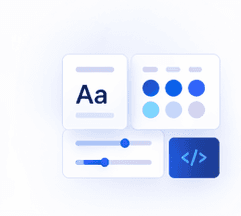
UI Implementation & Design Systems
Pixel-true implementation of design tokens, guidelines, and reusable primitives.
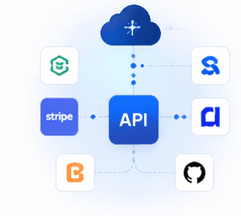
API Integrations & Automation
Reliable integrations with payment, data, and internal systems with observability built in.
Performance & Refactoring
Performance tuning and architecture cleanup to extend the life of your codebase.

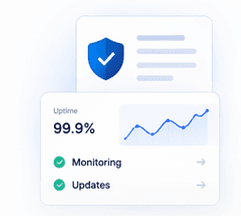
Maintenance & Support
Post-launch care, monitoring, and small-batch improvements without heavy overhead.
Ship faster
Lean process, clear milestones, measurable outcomes.
Built to scale
Clean architecture and best practices for long-term growth.
Reliable & secure
Security, performance, and observability baked into every step.
How Atero works →
AI-assisted execution with an architect’s standard for systems, tradeoffs, and maintainability.
Atero operates like a senior engineering partner, not a content-heavy agency. The work combines AI leverage with architecture discipline so delivery stays fast without losing technical judgment.
AI-native
Delivery shaped around automation, tooling, and leverage
Architecture-led
System boundaries and tradeoffs defined before buildout
Senior-only
Hands-on implementation without layered handoff overhead
What working with Atero feels like
- Work starts with architecture clarity: interfaces, failure points, dependencies, and delivery sequencing.
- AI is used as force multiplication for research, prototyping, implementation, and maintenance, not as a substitute for judgment.
- Decisions are documented early so product, engineering, and stakeholders can align around tradeoffs before execution drifts.
- The goal is not more velocity theater. The goal is a system that ships cleanly and remains operable after launch.
Architect mindset
The lens is system design first: how services connect, where data moves, which boundaries matter, and what can fail under real load.
AI with rigor
Automation is applied where it compounds output, but every major technical decision is still reviewed through maintainability, correctness, and long-term cost.
Operational bias
Shipping is only part of the job. Monitoring, rollback paths, performance budgets, and supportability are treated as core product work.
Small team advantage
Fewer layers means faster reasoning, tighter implementation loops, and less translation loss between architecture and code.
Engineering process →
Architecture decisions first. Delivery shaped around systems, not slides.
The engagement is structured around technical clarity: understand the system, define the architecture, ship in safe slices, and leave behind something operable.
System Mapping
We start by tracing the current architecture, delivery bottlenecks, critical integrations, and failure points so scope is tied to real system constraints.
Topology, dependency map, delivery risks
Architecture Decisions
We define service boundaries, data flow, integration contracts, and technical tradeoffs early, then write down the decisions that will shape implementation.
ADRs, interface contracts, sequencing plan
Delivery By Slices
Implementation is broken into vertical slices that can ship safely, validate assumptions quickly, and reduce coupling across frontend, backend, and infrastructure.
Milestones, test strategy, rollout slices
Hardening And Operability
Before handoff, we tighten performance, observability, incident paths, and maintenance workflows so the system stays supportable after launch.
Runbooks, metrics, performance budgets
Testimonials →
Trusted by teams that need delivery and clarity
“Atero felt like an extension of our team. The code was clean, the communication was crisp, and releases actually shipped on Fridays. We never had to chase an update.”
Mara Klein
VP Product · Assista
“They rebuilt our onboarding in weeks. Support tickets dropped overnight and we could finally demo with confidence. I wish we'd found them sooner.”
Luis Ortega
Founder · Helio Commerce
“Senior engineers who anticipate risks before they become problems. They left us with documentation, tests, and a design system our own team can extend independently.”
Priya Raman
CTO · Sierra Health
FAQ →
Questions we hear often
Keep answers direct, practical, and specific to how Atero works with clients.
Typical engagement length?+
Most engagements run 6–12 weeks for a focused build, with ongoing support options after launch. For smaller audits or refactors, we scope week by week.
What is your pricing model?+
We work on weekly retainers with a dedicated team so we can move quickly without change-order overhead. The retainer covers design, build, review, and communication.
Do you do fixed-price projects?+
For well-defined scopes we can propose a fixed-price milestone. We avoid fixed-price for discovery-heavy work because it usually creates scope friction.
How do we communicate throughout a project?+
Weekly demos, async status notes, and a shared Slack channel keep decisions and progress visible. You always know what shipped and what is next.
Can you work with our existing codebase?+
Yes. We often stabilize and extend existing products, adding tests and instrumentation as we go. We will give you an honest audit upfront.
What tech stacks do you work with?+
Modern TypeScript stacks such as Next.js, React, and Node, plus Python or Go for services when they fit the problem.
Next step
Whatever stage you're at, we start the same way.
Understanding your product, your users, and your deadline — before we write a single line of code.